

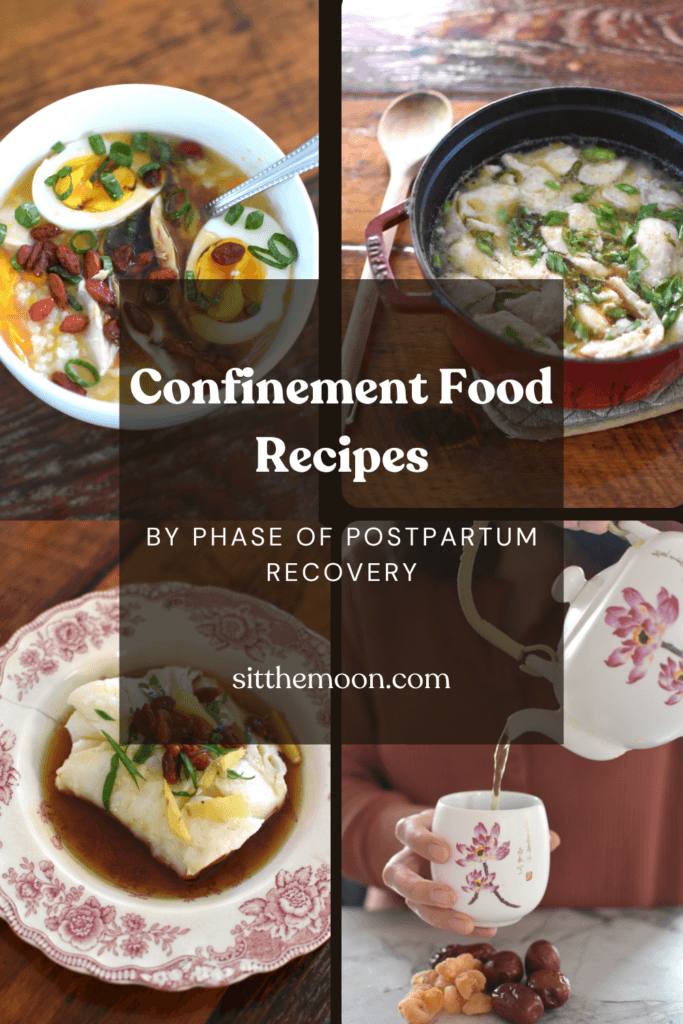
When my babies were born, our kitchen always had a pot going of herbal bone broth, red date tea, or eggs steaming, waiting to nourish me. For the first month after giving birth, my only jobs were resting, nursing, and eating what my mom put in front of me. That is sitting the month — zuo yue zi, the traditional Chinese postpartum practice of a month of rest and warming, nourishing food. Across East Asian cultures, it is also known as confinement. In this post, I’ll be sharing confinement food recipes by phase of postpartum recovery.
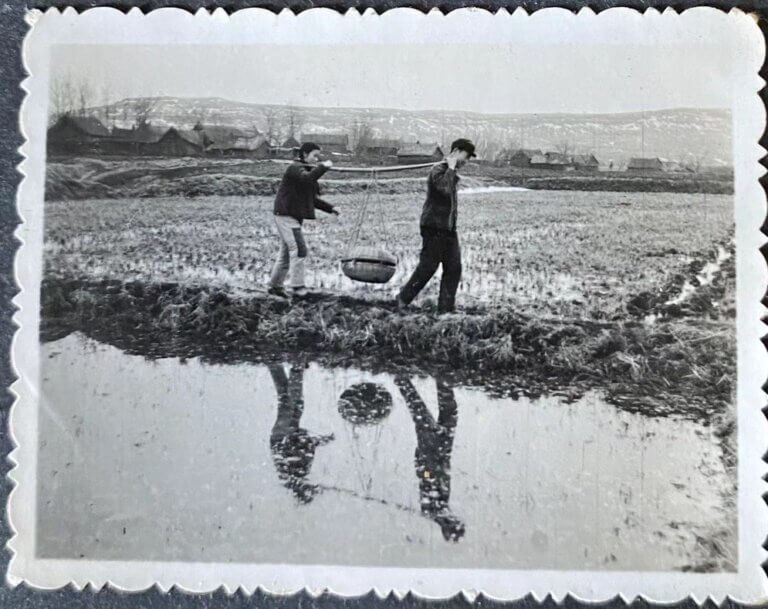
I’m a Johns Hopkins-trained Registered Dietitian, and my mother is my tradition source and my inspiration. She learned about traditional Chinese medicine while sent away to the countryside during the Cultural Revolution — her story is worth reading. Throughout this guide, I’ll tell you which recommendations come from tradition and which come from nutrition science.
The three phases of confinement food
Traditional confinement moves through three phases: Release (week 1), Restore (weeks 2–3), and Rebuild (weeks 4–6). Western obstetric science also views postpartum in three phases. You can read about that and how it compares to the Eastern phases of recovery in my free postpartum nutrition guide.
Here, we’ll talk about the Eastern framework for the three phases of postpartum recovery and how to eat to meet their specific needs. Note that “sitting the month” varies by culture and family from 28-42 days. I’ve chosen to present it as 6 weeks as that best aligns with the Western obstetric timeline of postpartum recovery as well as the popular English-language book on this topic, The First Forty Days.
| Phase | Timing | Traditional focus | Nutritional focus |
|---|---|---|---|
| Release | Week 1 | Mild, clearing — gentle foods while the body releases blood and fluid | Fluids, easy-to-digest carbohydrates, gentle fiber |
| Restore | Weeks 2–3 | Warm, repairing — heartier soups and warming spices | Protein and zinc for wound healing; iron and folate for blood loss |
| Rebuild | Weeks 4–6 | Heat, rejuvenating — the richest, most warming dishes | Continued iron, adequate calories and protein, omega-3s |
Next, we’ll take a look at which of my postpartum recipes fit in each phase.
Phase 1: Release (week one)
What tradition says
The first days after birth are about clearing. Your body is open, releasing blood and fluid, and the food should be warm, simple, and easy to digest — nothing rich yet. My mom describes this week’s cooking as 清 (qīng) — mild, clean, light.
What the science says
This tracks with what’s happening physiologically. Digestion is sluggish in the first days postpartum, fluid needs are high (especially if you’re nursing), and constipation is common. Gentle, warm, moist foods are easier on a body that has just done the hardest physical work of its life.
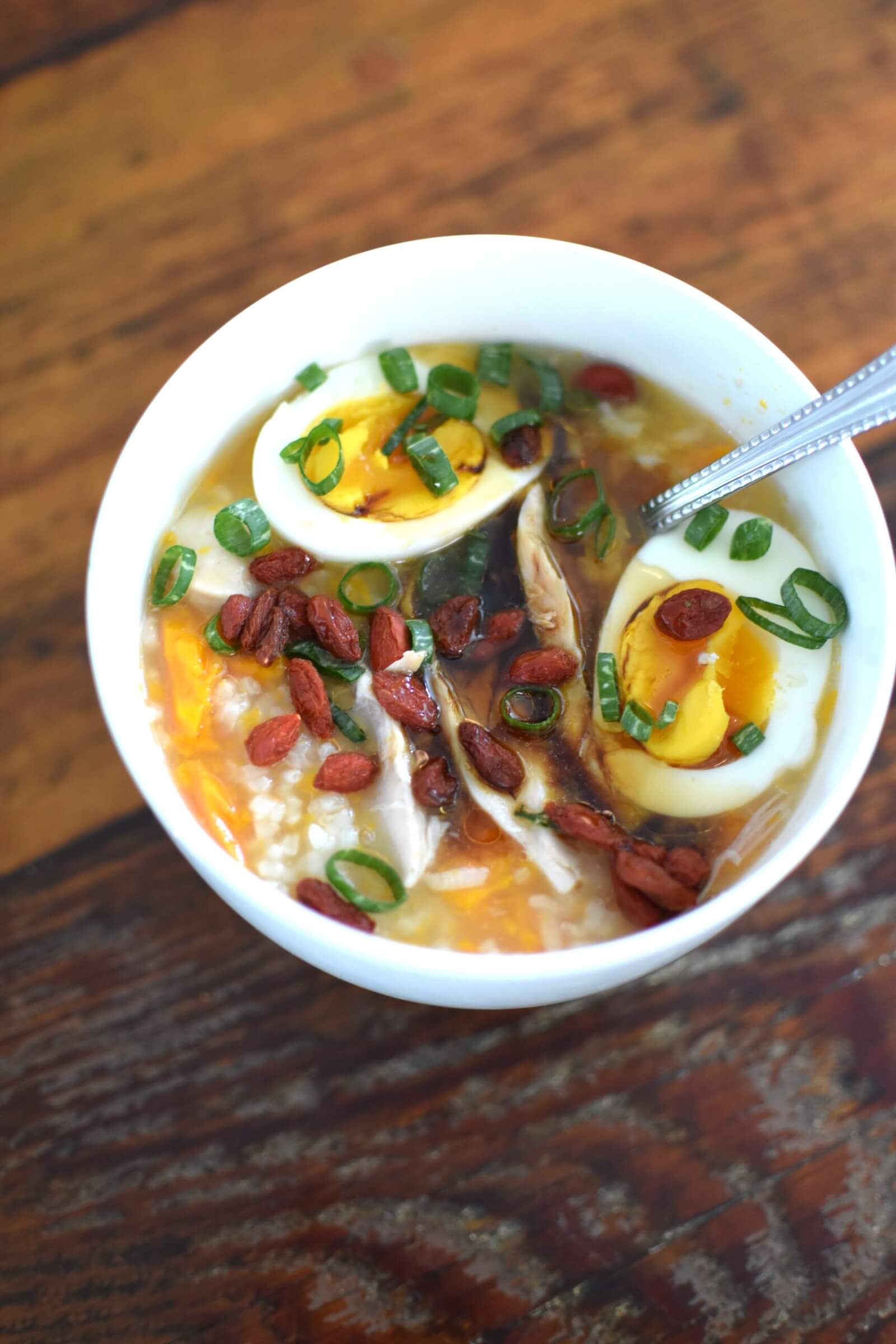
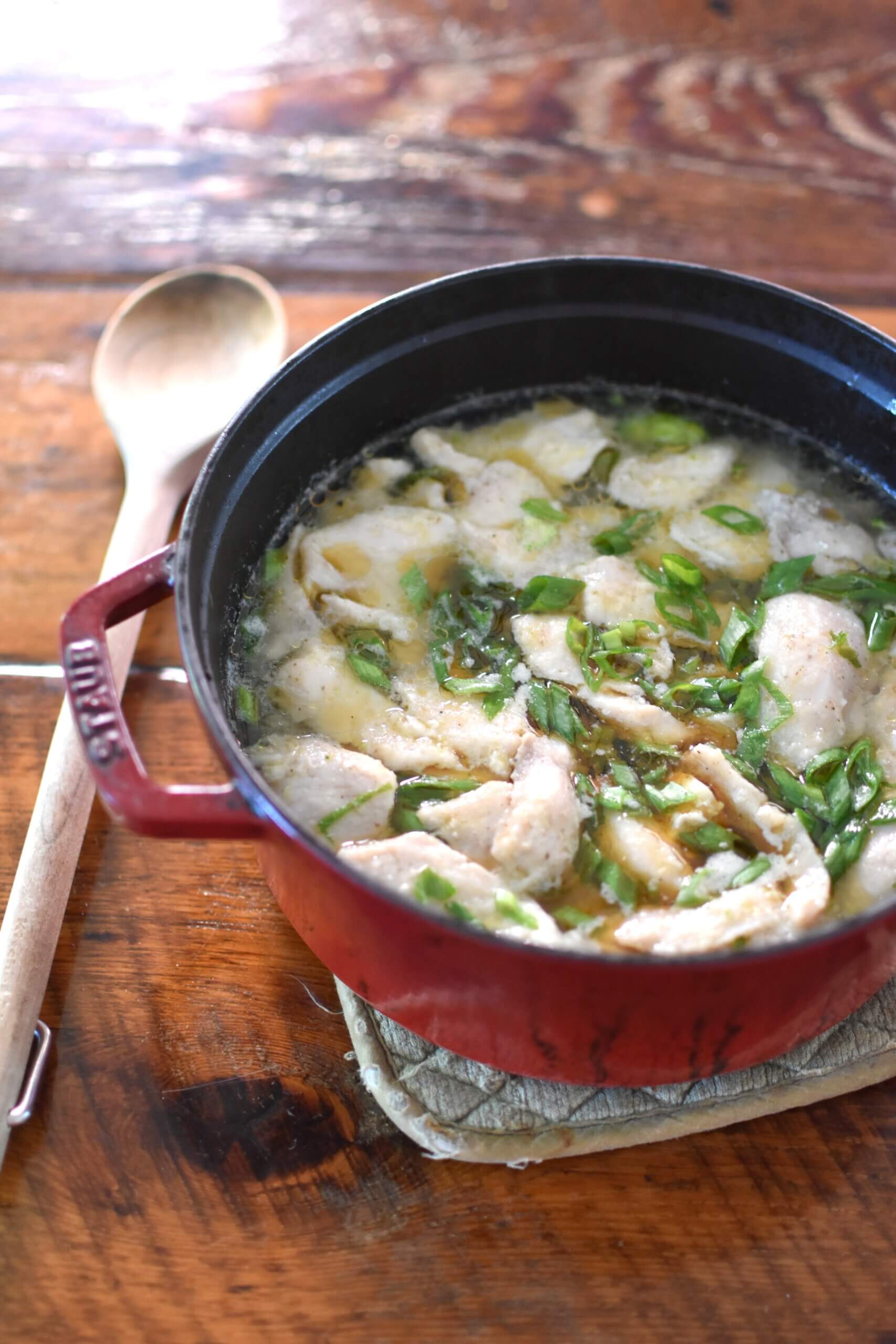
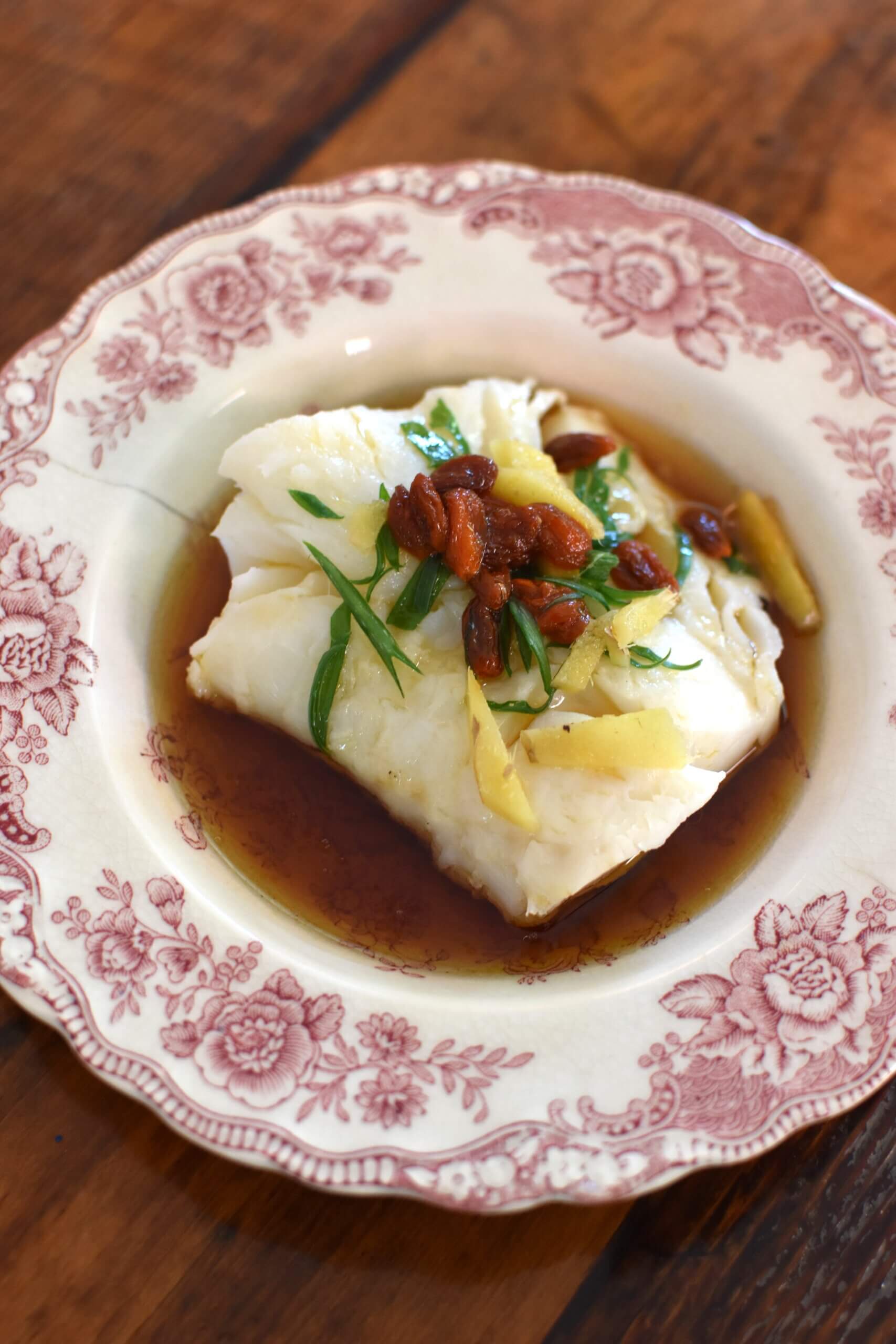
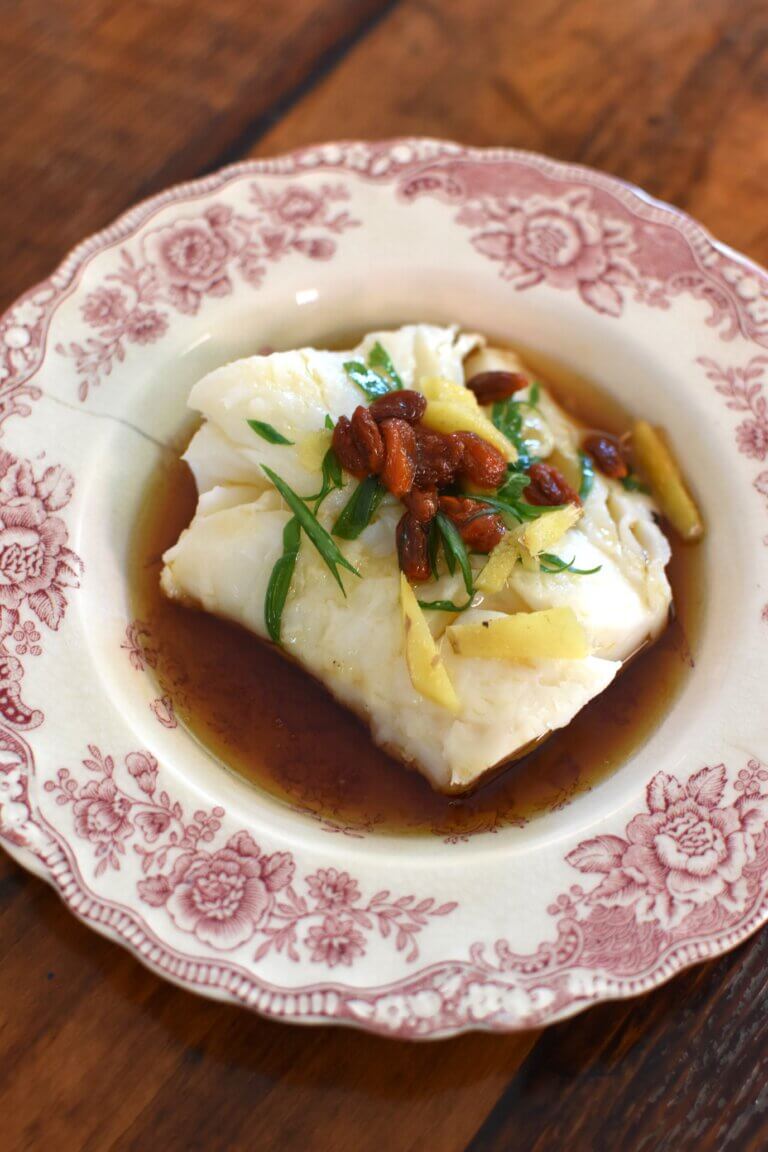
Confinement food recipes for week one
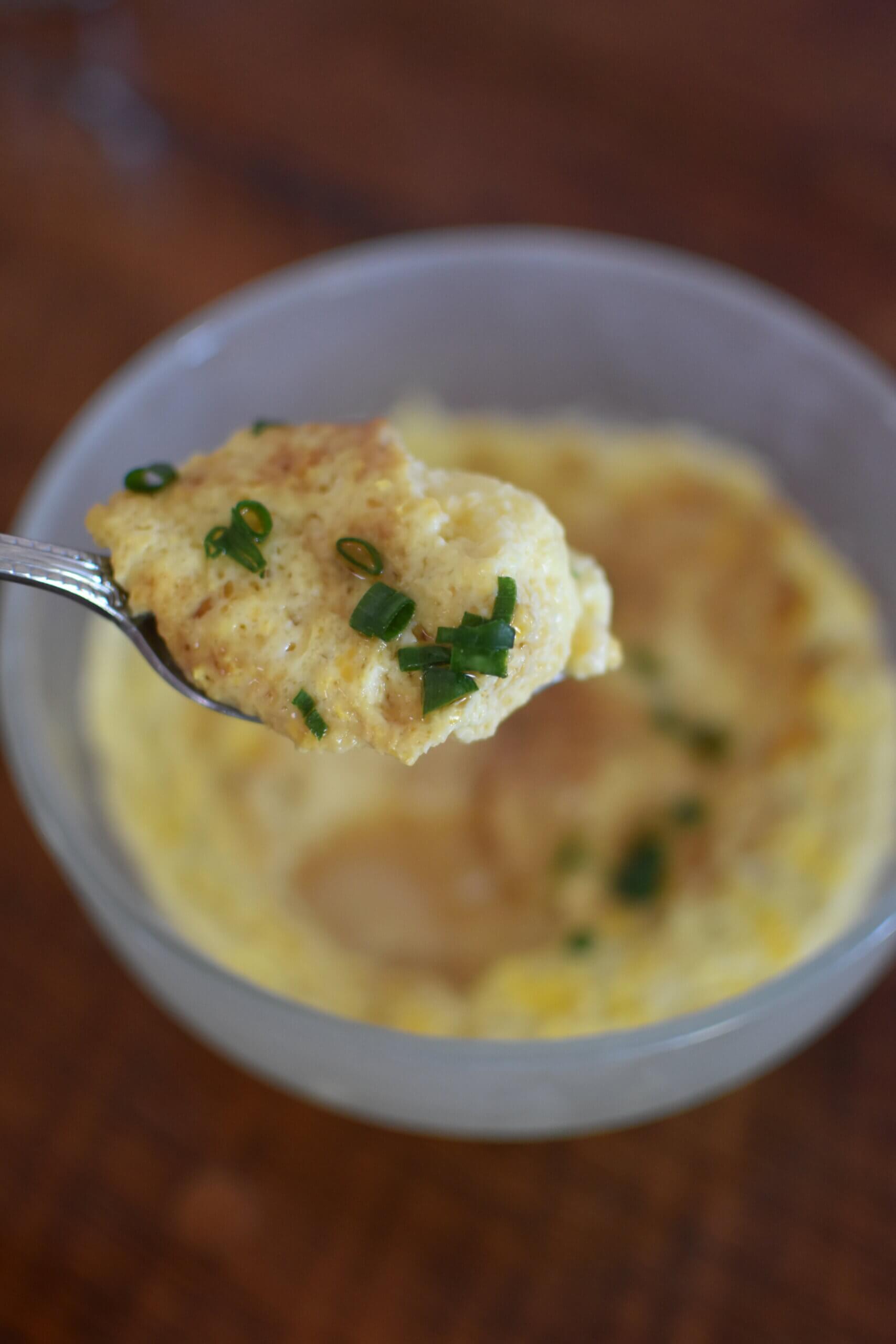
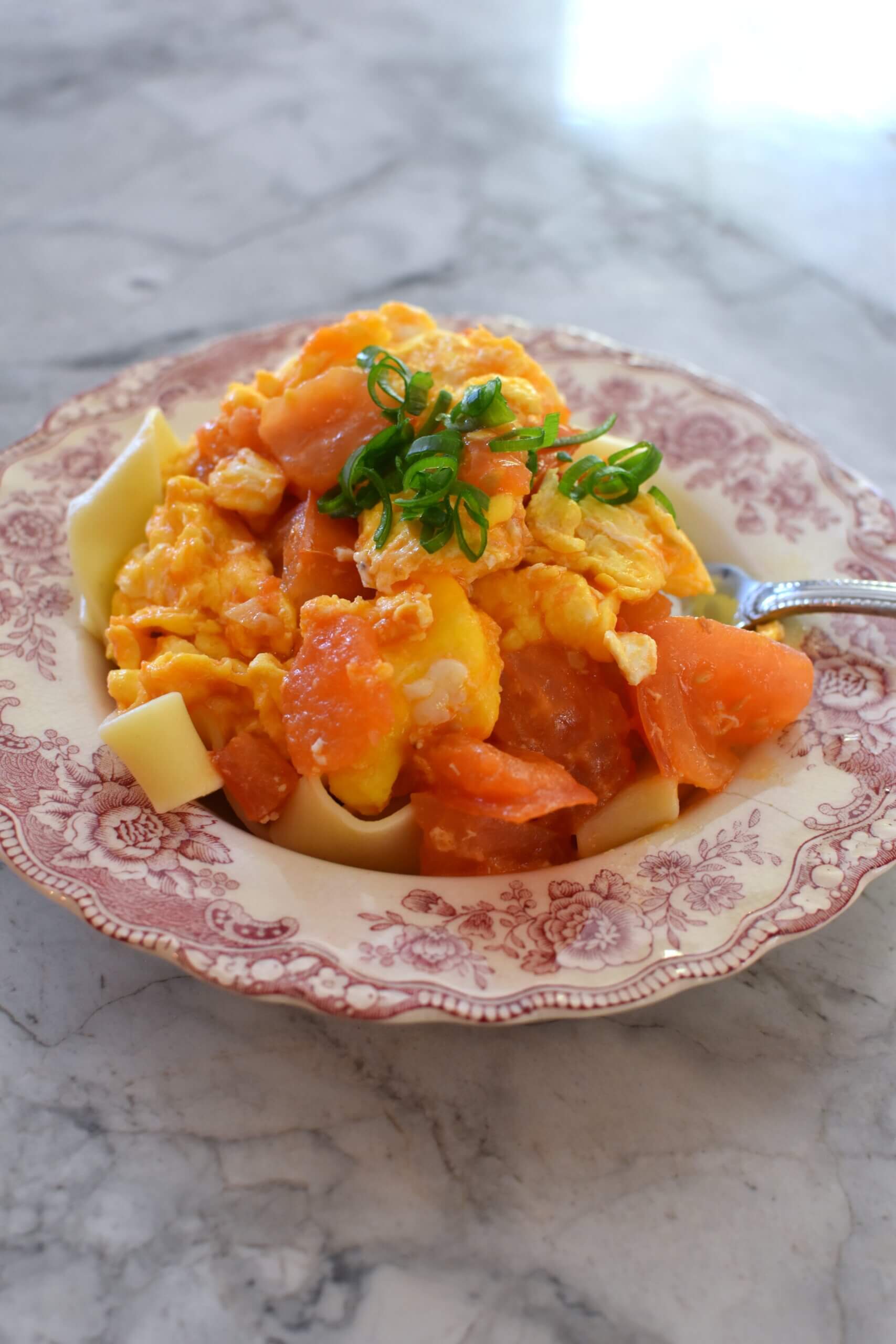
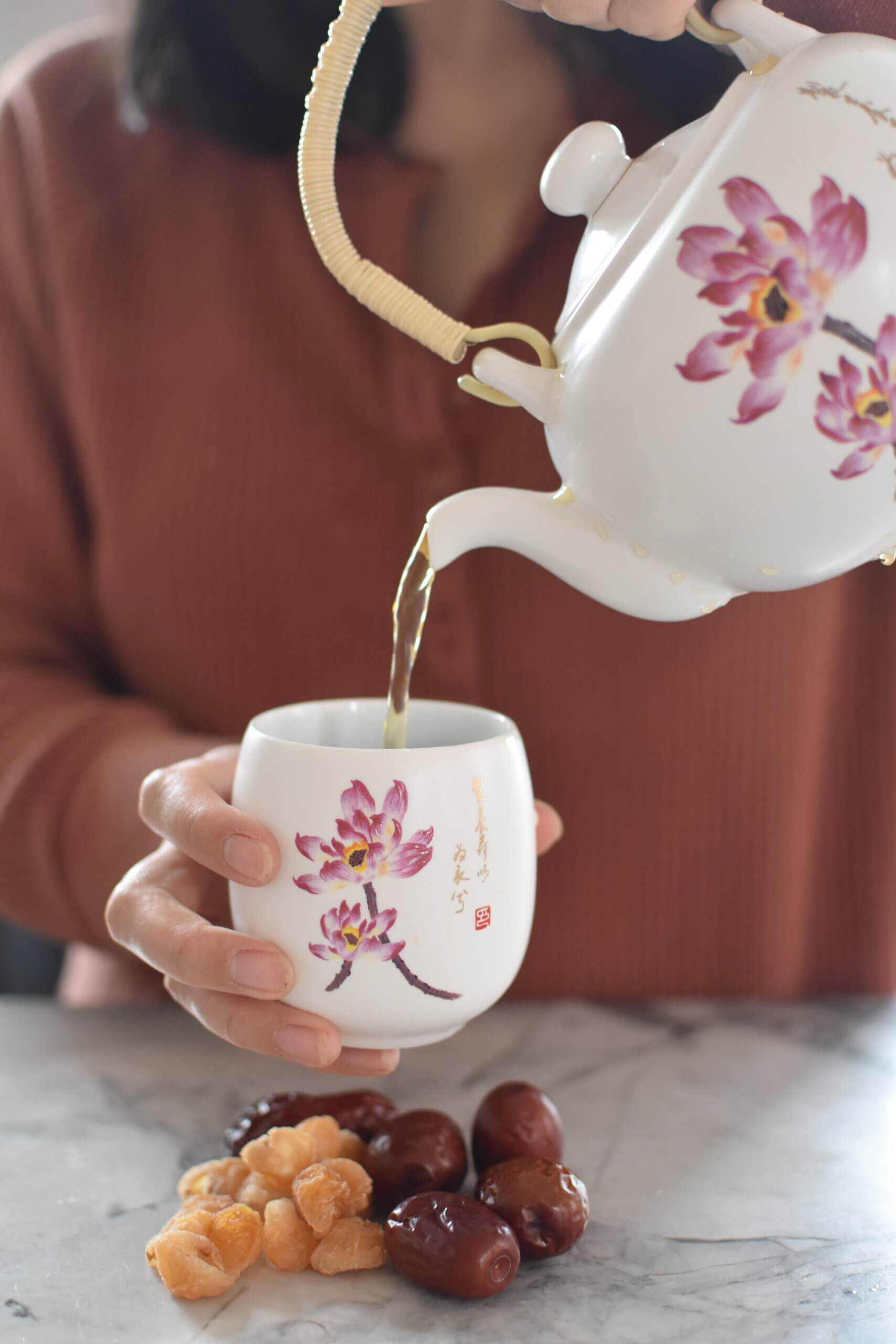
Phase 2: Restore (weeks two and three)
What tradition says
The focus now shifts from clearing to nourishing. In TCM terms, this is when warming foods are introduced to replenish Qi and Blood (氣血). Note: In TCM, Blood (xuè) is its own concept within a coherent traditional framework; it is not the same thing as the blood measured in your lab work, though the concepts overlap. Tradition brings out heartier herbal bone broths and warming spices.
What the science says
Weeks two through six are for active wound healing and tissue repair. You’ll want to eat foods that have protein and zinc for wound healing, iron and folate to rebuild after blood loss, plus calcium, vitamin D, DHA, iodine, and choline if you’re breastfeeding. Check out my free postpartum nutrition guide if you want to learn more about those nutrients. If you want the deep dive on rebuilding iron specifically, read my guide to iron-rich foods for postpartum recovery.
Confinement food recipes for weeks two and three
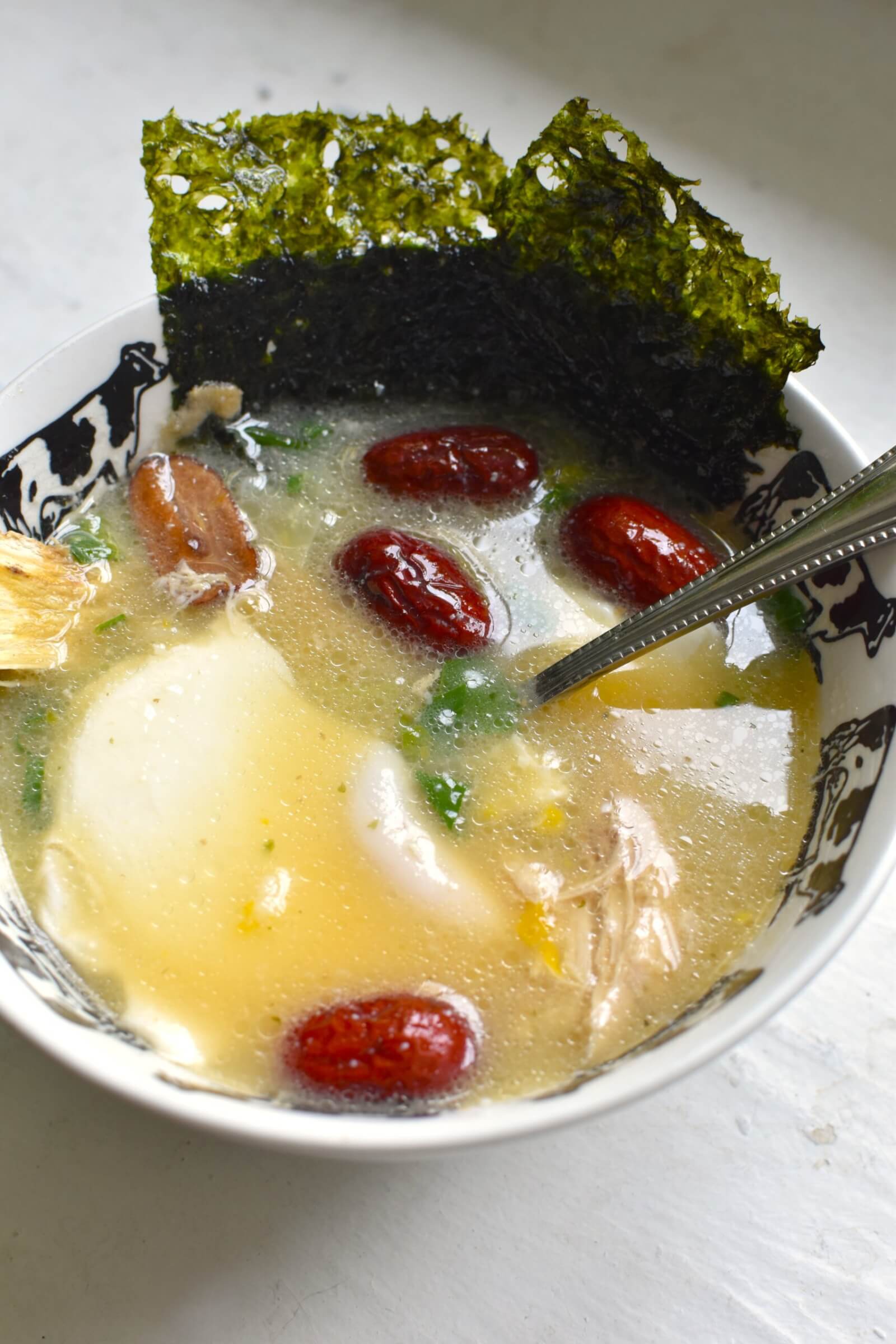
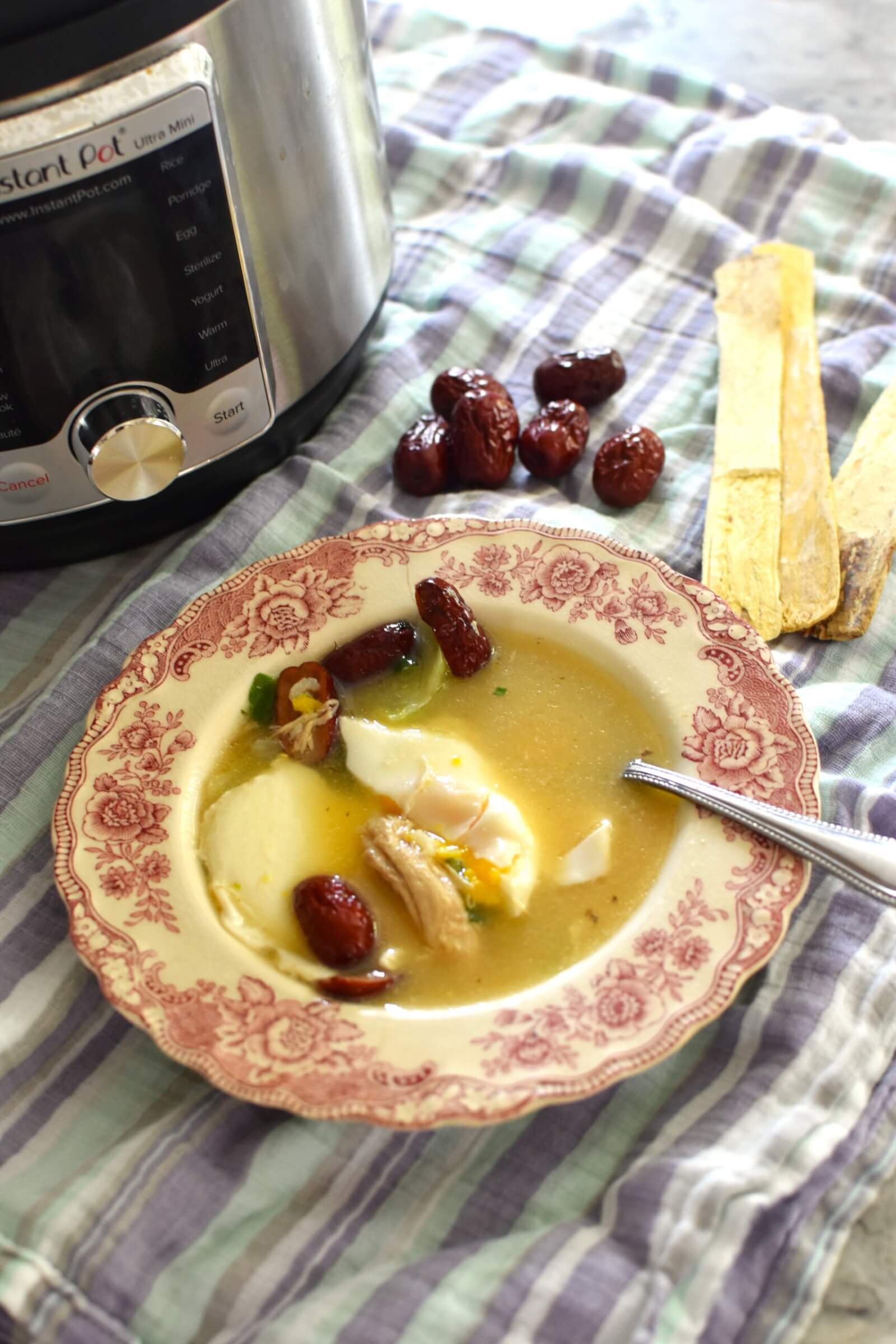
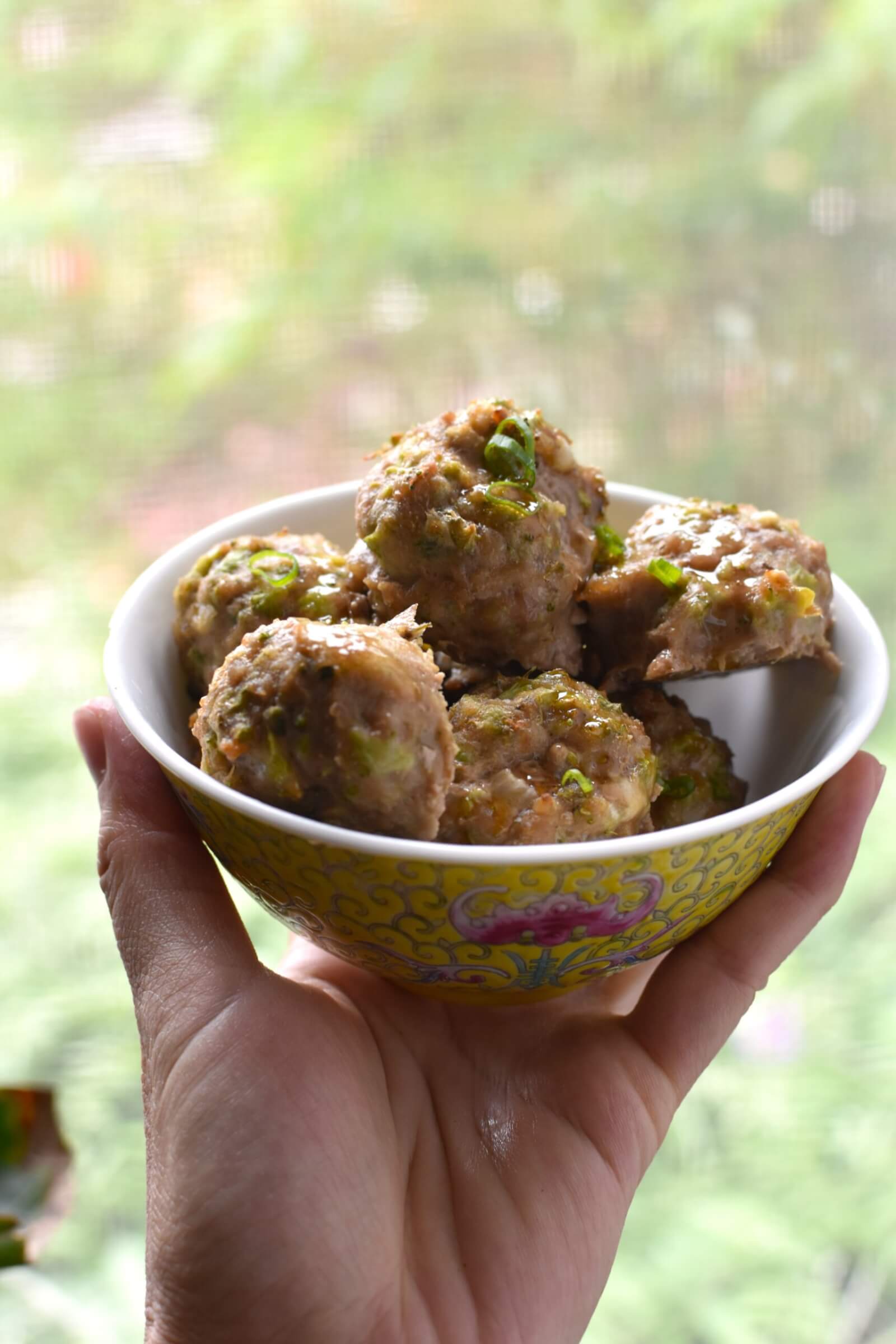
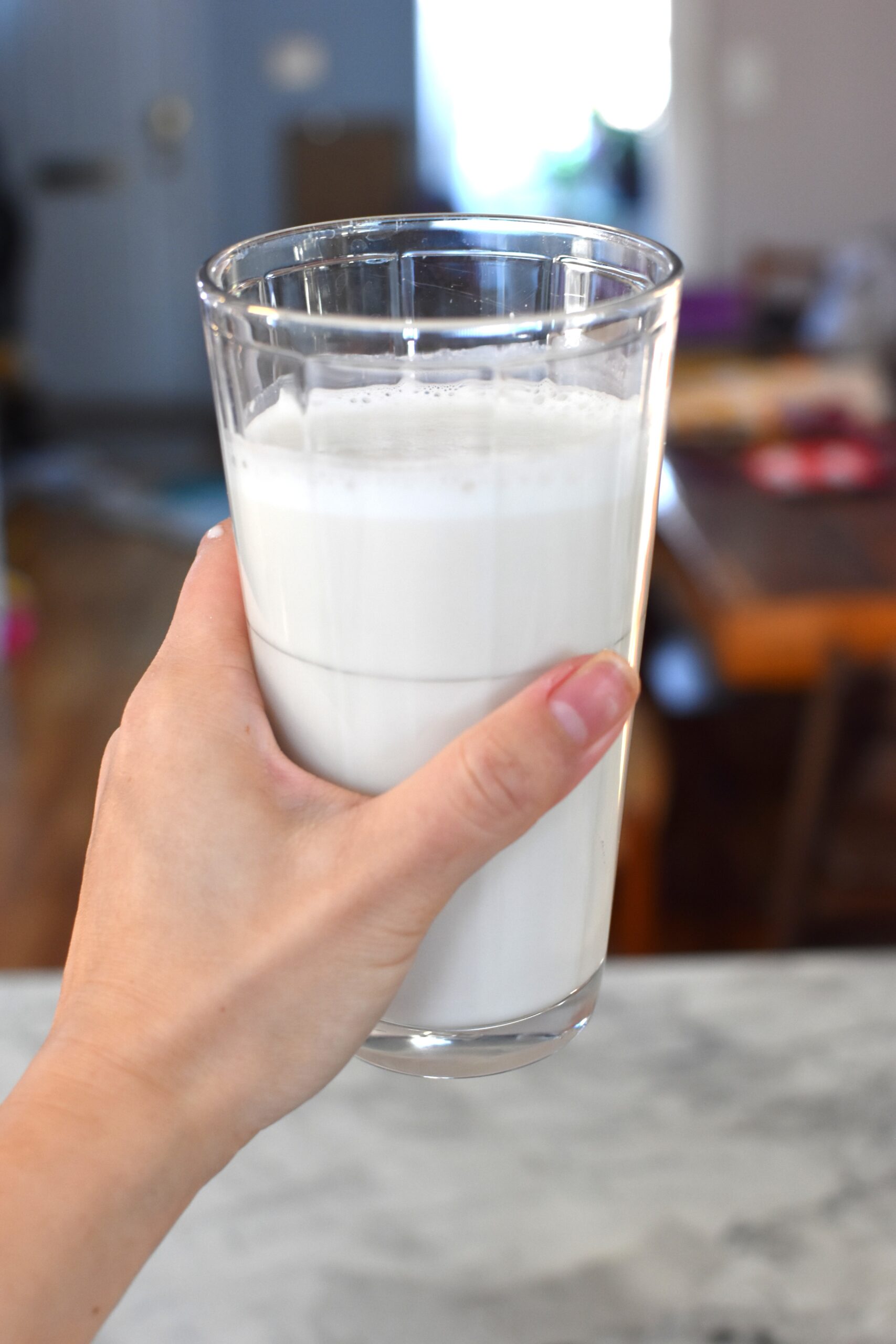
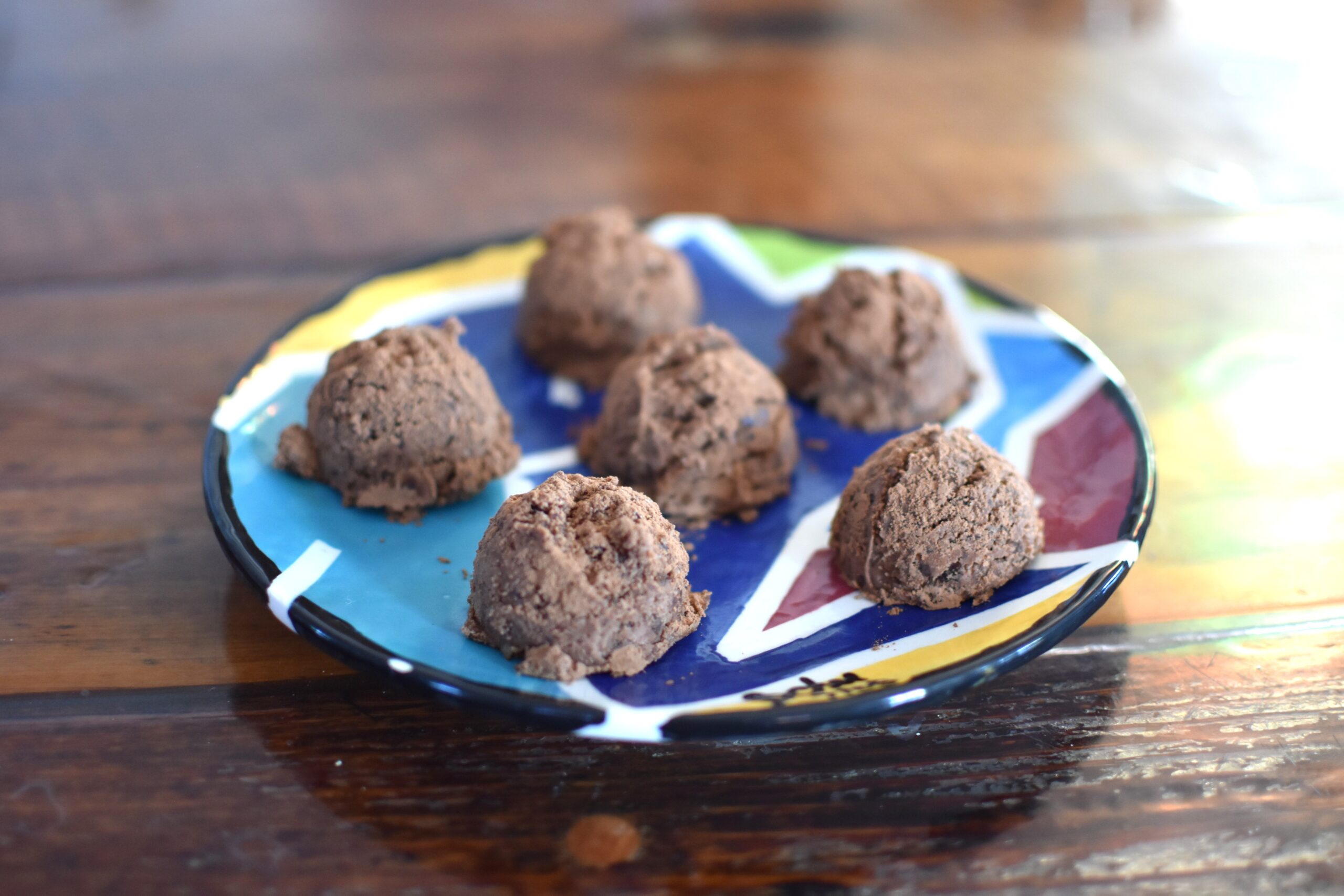
Not sure where to source the ingredients? My confinement food postpartum pantry covers where to buy dried herbs and staples — red dates, astragalus, goji, longan — that these recipes draw on.
Phase 3: Rebuild (weeks four to six)
What tradition says
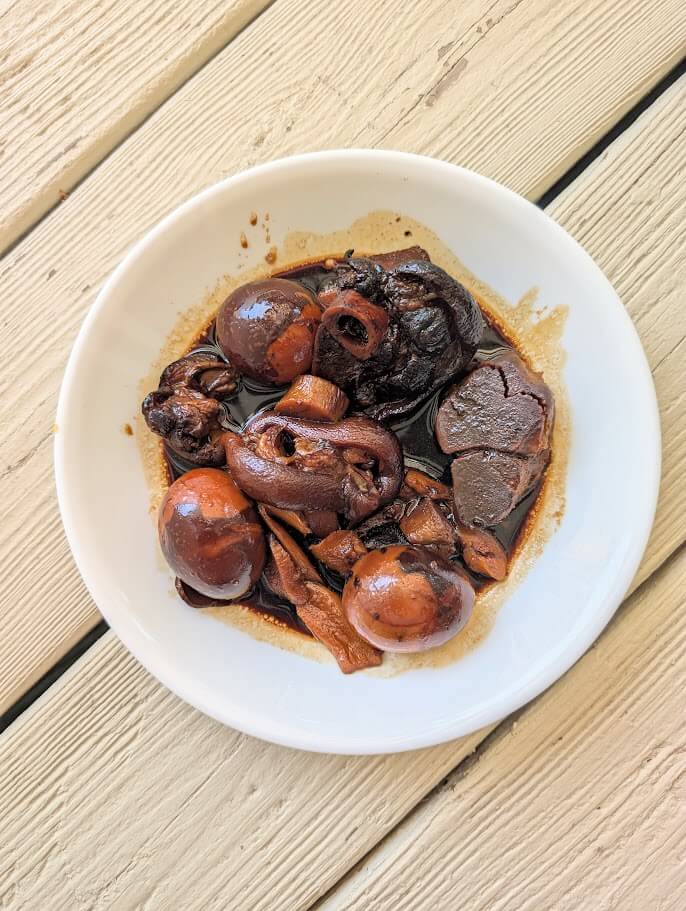
By now your body has done the hard work of clearing and initial healing, and tradition brings out the most deeply nourishing dishes — rich broths and warming, long-cooked foods believed to replenish energy and build milk supply. This is the phase of the famous vinegar-braised pork knuckle.
What the science says
Recovery doesn’t end at six weeks — connective tissue, muscle tone, and nutrient stores rebuild gradually over many months. Remember to eat enough calories, protein, and fluid, especially while breastfeeding. Rebuilding is energy intensive. My free postpartum nutrition guide explains how much is enough.
Confinement food recipes for weeks four to six

Iron status is worth paying attention to; my iron post covers what actually moves the needle, including what foods are high in iron, and which types of iron are best absorbed by your body.
Confinement food recipes for breastfeeding
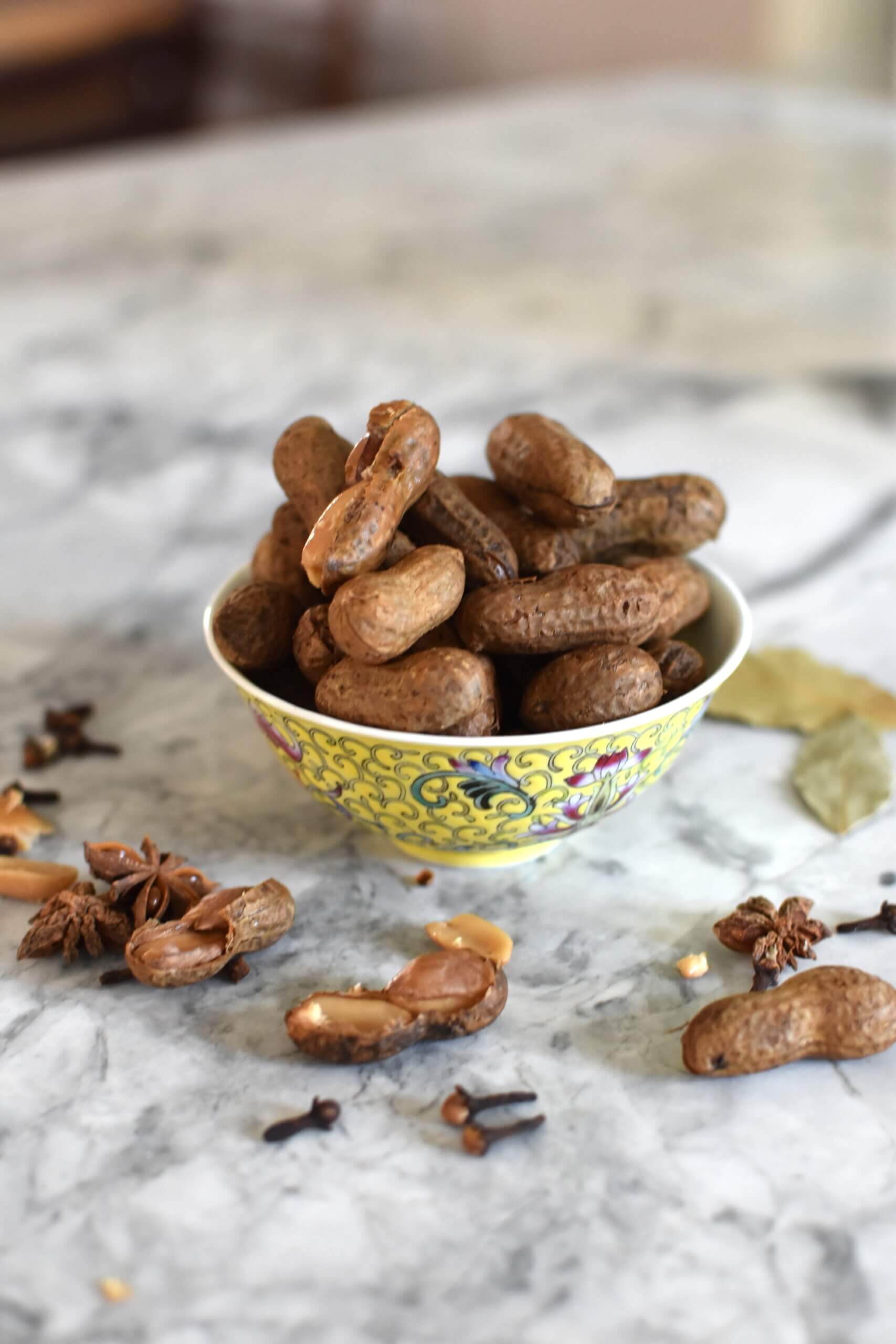
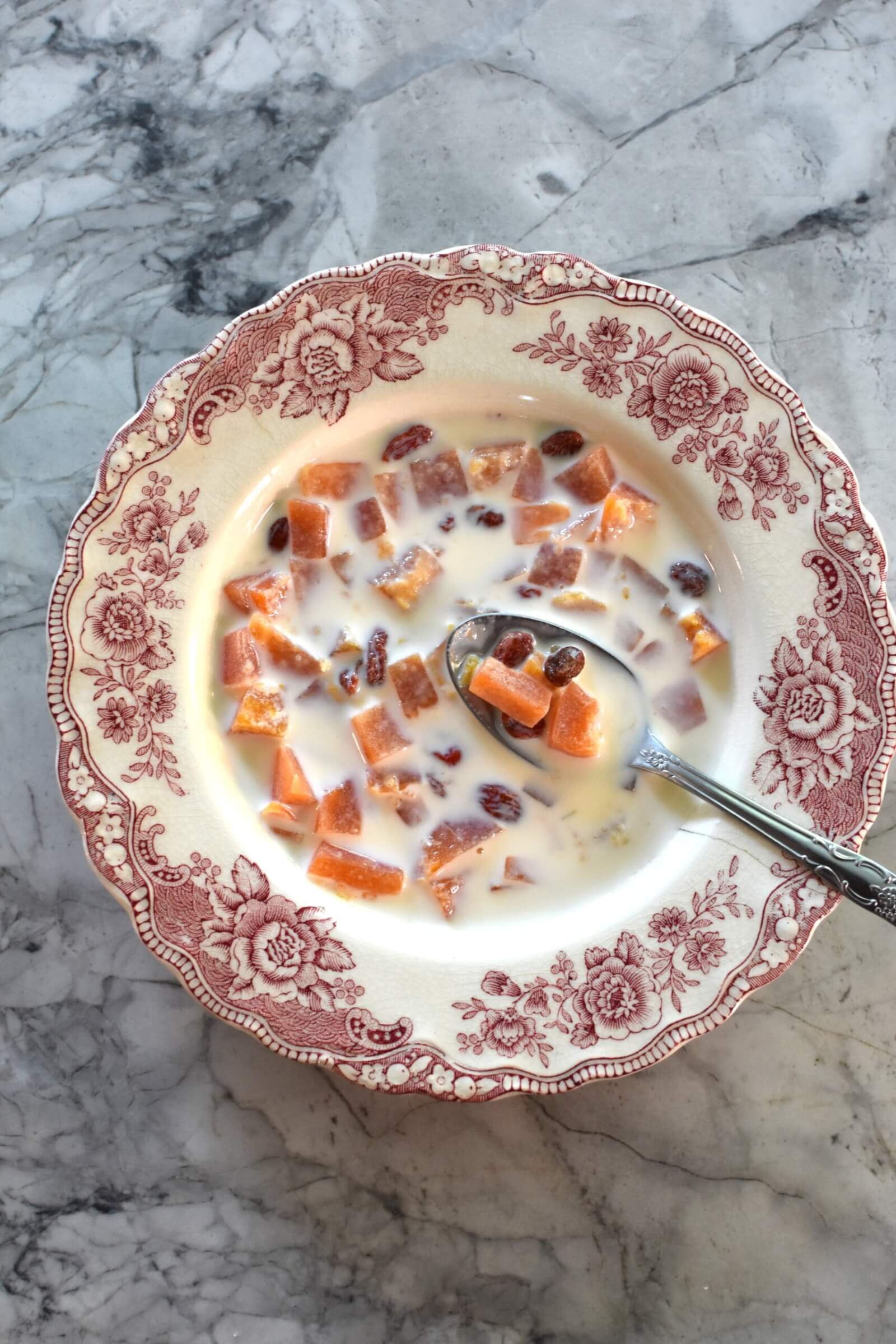
What tradition says: Chinese confinement cooking treats certain foods as milk-builders — fish soups, papaya, boiled peanuts, pork knuckle broth. My mother’s rule of thumb is simple: soup with every meal while nursing.
What the science says: The strongest evidence for supporting milk supply is unglamorous — frequent, effective milk removal, adequate calories, and adequate fluids. Evidence for specific galactagogue foods, papaya and peanuts included, is limited and mostly traditional or anecdotal; there are no strong human trials behind them. Here’s what I find useful anyway: the traditional lactation foods are delivery vehicles for exactly what nursing mothers measurably need. A bowl of fish soup is fluids, protein, and calories. The tradition gets you to the right behaviors, whatever the mechanism.
Practical picks for lactation support:
Sitting the month without your mother
I want to end here, and I know it’s a sensitive topic. The traditional version of sitting the month assumes a matriarch: your mother or mother-in-law moving in, taking over the kitchen, mothering the mother. Many of us don’t have that. She’s far away, or she’s passed, or the relationship is complicated. If that’s you, big hugs, I’m here for you.
Here’s what I want you to hear: the food is teachable, and the intent is what matters. In the farming village where my mother spent her teenage years, in years of real scarcity, a family whose daughter would sit the month that year planned all year for it, raising a few extra hens, saving every egg they could. My point is that the tradition isn’t about having the right ingredients or even mom’s support. It’s about a family making a decision, months ahead, that the new mom will be provided for. No matter who is cooking, you can do this.
A partner who has never made Chinese food can follow the herbal chicken soup recipe. A non-Chinese father-in-law who wants to help can be handed the pantry list and a shopping link. Friends who ask “what can I do?” can be sent a recipe instead of sending a casserole.
You can cook and freeze your confinement food yourself before the baby arrives (I’m building a first-week freezer guide that maps all of this out. Join my mailing list to get it when it launches).
And if some days the tradition doesn’t happen — if lunch is a peanut butter sandwich and a glass of milk — that is okay. The point of zuo yue zi is not perfection. It’s doing what you can to take care of yourself when the rest of your world revolves around the baby.
FAQ
Do I really have to avoid all cold food and drinks?
Tradition says yes; my modern adaptation is gentler. Prioritize warm and room-temperature foods because they’re easy on postpartum digestion, but a piece of room-temperature fruit is fine. I cover the reasoning — ancient context and modern adaptation — in the sitting the month post.
What’s the difference between confinement food and just eating healthy postpartum?
Confinement food is a system: warm, cooked, phase-appropriate dishes served in sequence, drawn from a specific culinary tradition. Generic healthy eating covers the nutrients; confinement food covers the nutrients and the logistics and the care. That structure is exactly what an exhausted new parent needs — decisions already made.


15 Comments