

This is translated to English from the original Chinese version. Read the original Chinese version below.
A Village Called Sunying
Chinese herbal medicine found its way into my life quietly, when I was still in my teens. During the Cultural Revolution, the year I turned sixteen, political policies of the time led my parents to take me and my younger brother to settle in a very poor little village — Sunying. Fortunately, they were able to keep their original salaries when we relocated. Even more fortunately, my brother and I could continue attending high school.
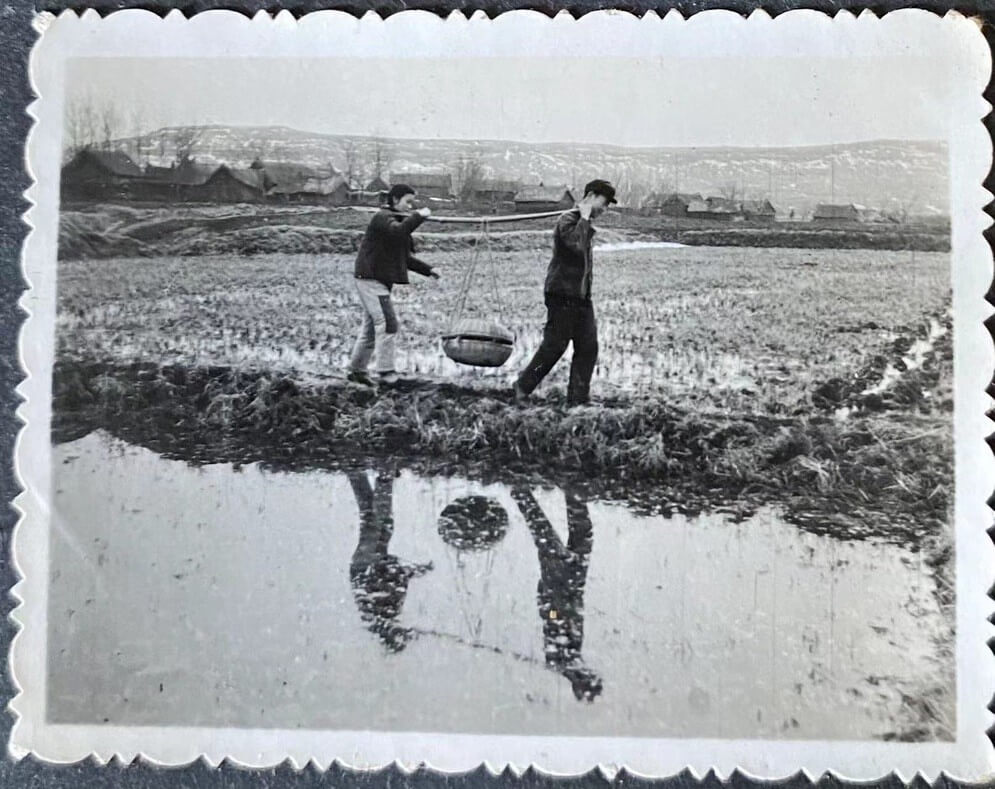
The village sat at the foot of a mountain, thirty-seven households with many different surnames. Unlike the neighboring villages of Jiangying, where most people were surnamed Jiang, or Yangying, where most were surnamed Yang, this village was called Sunying, yet not a single family was surnamed Sun. The people there did not share a common ancestral line.
My companions were boys and girls about my age, already the main laborers of their households.
Lessons from the Mountain
One of their chief tasks was going up the mountain to cut grass. Grass was the fuel families burned for everyday cooking, and in autumn they had to prepare a whole winter’s worth for their households. But, cutting grass was work I was absolutely incapable of. Even walking the mountain paths empty-handed was a challenge for me, let alone shouldering loads of a hundred pounds like they did. Still, I loved going up the mountain with them to play. My young companions taught me to recognize all kinds of bugs, herbs, and trees I had never seen in the city, and I would learn from them how to find the herbs the purchasing station accepted.
On a clear morning, each carrying a shoulder pole, two long ropes, and a sharp sickle, my companions would head up the mountain, taking a different route each time. They were remarkably capable. Cutting grass meant going where there were no trails. Several couldn’t cut in the same spot, so once they reached the mountain, they fanned out. When the work was done, a whistle would call them back together.
By late autumn the grass stood nearly as tall as a person. When they spotted a good patch, they would cut it down — shua, shua, shua. Then they’d go find the grass they had cut days before, now nearly dried in the sun, tie it into bundles, and carry it home on their poles.
The Treasure by the Tree Roots
With the grass bundled, they were in no hurry to head back; they’d play a while first, find a drink of water by a mountain spring, and poke around the tree roots to see if there were any medicinal plants they recognized — this was their chance at pocket money. Ye ma zhui, gegen (kudzu root), he shou wu, chai hu (bupleurum) — these were the names of Chinese herbs I first heard back then.
These treasures, they would dig up, rinse clean of soil, take home to dry in the sun, and deliver to the herbs purchasing station for a few cents. If they came across a centipede or a scorpion, they would never let it go — those fetched even better prices.
Inexhaustible Wealth
This was the first impression Chinese herbal medicine gave me: if you knew them, they were treasure. Back then I didn’t know what they were good for, nor did I care. I loved the herbs because of the joy they brought my companions.
My friends had the mountain for company and never once felt poor. On the contrary, they felt that inexhaustible wealth lay all around them, within easy reach. All it asked of them was a willingness to work — and they had that in spades. It seems happiness lies not in how much you have, but in how little you need.
I never imagined that the bond I formed with those herbs would follow me through everything that came after — back to the clamor of big cities, and eventually across the ocean to America. But it did. And it’s with me still, shaping how I care for myself and my family.
Read Part 2, I Had to Do Something, here.
Any questions for my mom? Leave a comment!
Chinese version: 结缘草药
中草药与人的关系在我十几岁时就很自然地走进到我的心田。
文化大革命中,我16岁那年,由于当时政治上的政策原因,父母带着我和我的弟弟,落户到一个非常贫穷的小村庄——孙郢。所幸的是他们带着原来的薪水去安家落户,更可庆幸的是我和弟弟可以继续读高中。这村子座落在山脚下,有37户人家,不同的姓氏,不像邻村蒋郢,大多数姓蒋,杨郢大多数姓杨,这村庄叫做孙郢,却没有一家姓孙,这意味着这村庄里的人不是同门同宗。与我年纪相仿的伙伴们,不论男孩子,女孩子,十几岁都己经是家庭的主要劳动力了。他们一件主要的任务就是上山砍草。烧草是家庭日常煮饭的燃料,秋天他们要为家人准备整个冬天的烧草,可是砍草这工作我绝对没有那个能力胜任,即便是空手走山路对我也是个挑战,更何况,他们挑着百来斤沉重的担子。不过我喜欢和他们一起上山玩,他们像小老师教我认识在城市里从来没有见过的各种虫草树木,我会学着他们找那些收购站接受的药草。
那季节小伙伴们常相约,选一个晴朗的早晨,他们各自背着一根扁担,两根长绳和一把锋利的镰刀上山,每次走不同的路径,他们的本事很大,砍草的路意味着没有路,而且几个人不能在同一片地方砍,上了山他们就分手了,干完活,一声口哨再聚拢。深秋的草差不多一人高,见到一片好的草,便刷,刷,刷地将它们砍倒,然后,他们去找几天前已经被砍倒的草,用绳把那些几乎晒干了的草捆绑起来,挑回家。草捆绑好了,他们不急着回家,玩会儿再走,山泉小溪边找口水喝,顺便翻翻找找树根边有没有他们认识的药材,这是他们寻找外快的好机会。野马追,葛根,何首乌,柴胡,等等这些中草药的名字是我那时候听说的。这些宝贝,他们挖出来冲净泥土,带回家晒干后送到收购站换几毛钱现金。遇到蜈蚣,蝎子,他们绝不会放过,价格更好。
中草药最初给我的就是这样的印象:你认识了它们,它们就是宝。那时我不知道它们的功效,也不关心,我喜欢药草是因为它们给我的伙伴们带来如此的欢欣。我的朋友们以山为伴,从来都没有觉得自己贫穷,相反,他们觉得取之不尽的财富就在他们身边,唾手可及,而他们需要付出的仅仅是勤劳。谁还没有勤劳?我没有料到当初与中草药结下的缘,在后来几十年的生活中,无论我走到哪里,回到喧嚣的大城市,还是远渡重洋到美国,这个缘分对我看护家人和自己的健康与养生一直起着十分积极有效的作用。



Thank you for sharing a piece of your childhood. It is remarkable how we often fail to realize the gift of our experiences until we see their impact and influence later on.