Shiso brings notes of anise and fresh mint, gently herbaceous. The lemon adds a bright tartness that keeps it from feeling heavy. Together, the taste of shiso tea is clean and aromatic without being sharp, and the honey (if you add it) rounds everything out into something that feels almost like a hug in a cup.
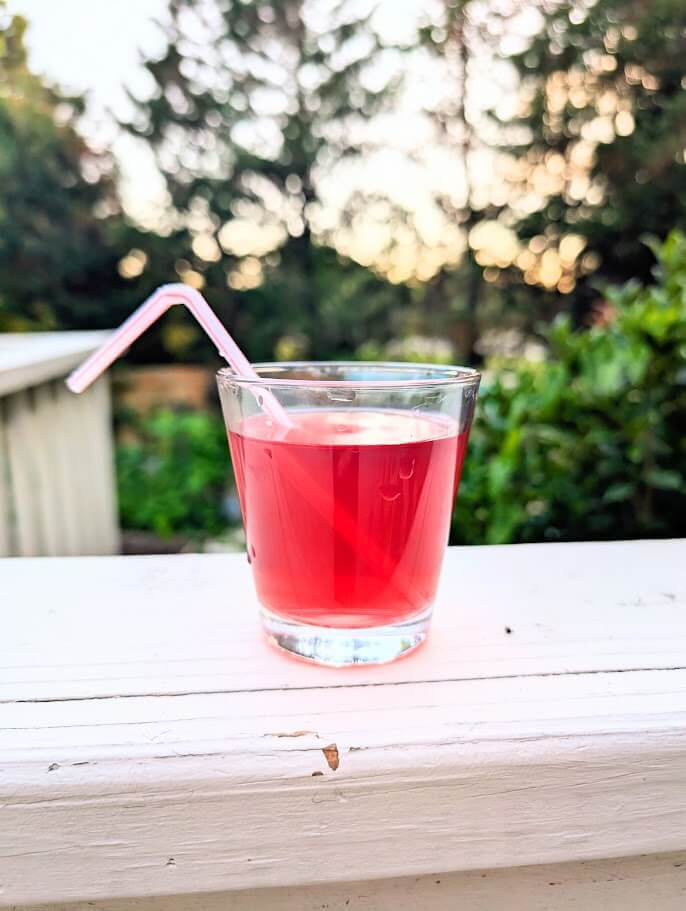
Making shiso tea (also called perilla leaf tea) is soothing for the soul. When you pour that naturally vibrant, rose-red perilla leaf tea into a glass, all the heaviness in your heart simply dissolves. After giving birth, exhaustion sets in, the baby cries, and a new mother can’t rest well. While the family is busy comforting her, someone should quietly hand her a cup of warm shiso tea. I can guarantee she’ll break into a smile.
What Is Shiso Tea, and What Is Shiso?
Shiso tea is an herbal drink made by steeping shiso (perilla) leaves in hot water with lemon — and it may be the most beautiful tea you’ll ever make at home. The lemon turns it a vivid rose-pink right before your eyes (more on that below), and the flavor is gently herbaceous and just barely tart.
Shiso (Perilla frutescens var. crispa) is a fragrant herb in the mint family, widely used across East and Southeast Asian cuisines. It’s the Japanese word for perilla — and the name you’re most likely to see in American grocery stores. It’s considered one of the seven main flavorings in Japanese cuisine, and you’ve probably encountered it without realizing: it’s the large leaf tucked next to sashimi, used in maki rolls, or served alongside tempura.
Looking for recipes using perilla leaves? Shiso and Korean perilla (kkaennip, 깻잎) are two varieties of the same plant species. Shiso tends to be more floral and bright; Korean perilla is a bit grassier and earthier, with a larger, rounder leaf. In Chinese herbal medicine, the broader plant is called zǐ sū (紫苏), and it’s been used for centuries as a warming, calming herb. All of these names — shiso, perilla, kkaennip, zǐ sū — refer to close botanical relatives of the same plant. In American stores, look for it labeled as shiso — that’s the most common name you’ll find in Korean, Japanese, and Vietnamese grocery stores.
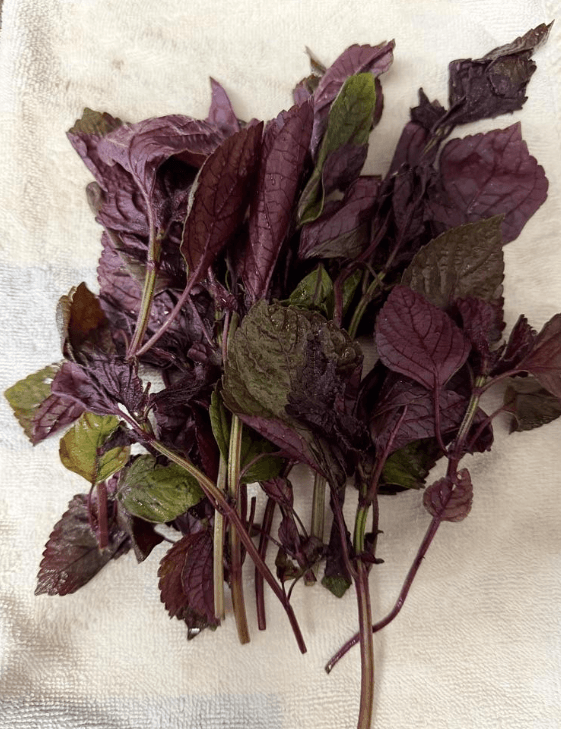
For this perilla leaf tea, you specifically want red or purple shiso. The pigment that creates the color reaction with lemon comes from the red variety. Green shiso will give you a pleasant-tasting tea, but you won’t get that rose-pink color.
Why Shiso Tea Turns Pink: The Chemistry
Red shiso leaves are rich in anthocyanins — the same pigment family that makes red cabbage, blueberries, and hibiscus flowers their vivid colors. When you add lemon to the steeped shiso water, the acid reacts with those anthocyanins and the tea shifts from deep purple to a brilliant rose-pink, almost like a natural pH test. The more acidic the environment, the brighter the color. Add the lemon slices and watch the color bloom!
Shiso Tea Benefits
The health benefits of shiso have been recognized in traditional medicine across East Asia for centuries. Its volatile oils, particularly perillaldehyde, which gives it a distinctive fragrance, has a genuinely beneficial effect on the body for postpartum moms, people recovering from colds, and anyone looking for a cup of calm.
Shiso Tea for Postpartum Recovery
In traditional zuo yue zi (坐月子) practice — sometimes called “sitting the month” or confinement — warmth is medicine. The postpartum body is considered vulnerable to cold, and warming, aromatic drinks are as important as food in supporting recovery.
Shiso (紫苏, Zǐ Sū) is warming in nature. In TCM, it disperses surface cold and relieves mild chills. It also moves the body’s qi, easing chest tightness, bloating, and postpartum nausea. Its volatile oils have a relaxing effect on the nervous system, helping to soothe postpartum anxiety and support sleep. It is one of the most commonly used herbs for new mothers in confinement food traditions across East Asia.
Lemon amplifies these benefits. Vitamin C supports immune function — crucial for a body in recovery — and enhances iron absorption, which matters enormously after the blood loss of childbirth. Citric acid stimulates digestion and helps with the sluggish appetite common in early postpartum. Once metabolized, it also creates an environment that improves absorption of both iron and calcium.
Together, the aromatic calm of shiso and the bright, vitamin-rich warmth of lemon reinforce each other — soothing the nervous system while nourishing the body.
New mothers: drink this warm. In zuo yue zi tradition, cold drinks are avoided during postpartum recovery. The warmth is part of what makes it work.
If you are pregnant or postpartum, check out my recipe for longan red date tea if you are interested in another delicious, warming tea. You can also download my free, RD-written postpartum nutrition guide and read my guide to confinement food recipes by week of postpartum recovery!
Shiso Tea for Colds
My mom has been making this tea for the whole family — not just new mothers — for as long as I can remember. When everyone in our house was coughing recently, this was the first thing she reached for.
In TCM, shiso is a classic herb for the early stages of a cold. It disperses wind-cold, relieves surface symptoms like mild chills and congestion, and warms the body from the inside. The lemon adds vitamin C and that bright, clarifying tartness that makes everything feel a little more manageable when you’re under the weather. The honey — optional but recommended when you’re sick — soothes the throat.
This isn’t a cure. But it’s warm, it’s gentle, it tastes like someone is taking care of you, and that matters.
Shiso Tea for Everyday Calm
You don’t need to be sick or postpartum to make this tea. The volatile oils in shiso have a mild relaxing effect on the nervous system — a cup in the evening, warm, with honey, is simply a good idea.
Ingredients
Red Shiso / Perilla Leaves (紫苏, Zǐ Sū)
Fresh or dried both work in this shiso tea. Fresh red shiso has a more vibrant, aromatic quality; dried is gentler and easier to source year-round. Look for it labeled as shiso at Korean, Japanese, or Vietnamese grocery stores. Dried perilla leaves (zǐ sū yè, 紫苏叶) are available at Chinese herb shops or on Amazon.
And before you order anything — check your backyard. Perilla reseeds itself every year and grows freely across much of the eastern US. Nature does not want us to overlook its gifts.
In this recipe: One good handful of fresh leaves, or the equivalent dried.
Lemon
Three thin slices, added after the shiso has steeped for a few minutes. Timing matters: add the lemon too early and the color reaction is muted. Add it after the anthocyanins have fully released into the water, and watch the tea turn rose before your eyes.
Honey (Optional)
Rounds out the tartness and makes the shiso tea even more comforting. Add to your cup after pouring, not to the whole pot.
Important: Never give honey — or any honey-sweetened drink — to babies under one year old.
Instructions
1. Steep the Shiso
Place the shiso leaves and cold water in a pot together. Bring to a boil, then simmer for 3–4 minutes. The water will turn a deep purple.
2. Add the Lemon
Add the lemon slices and watch the tea shift from purple to rose-pink. When the color blooms, turn off the heat.
3. Strain and Bottle
Pour through a strainer into a glass bottle or pitcher.
4. Serve Warm
Pour into a cup, stir in honey if you like, and drink warm. Refrigerate leftovers and reheat gently in the microwave or a small saucepan when you’re ready for more. This also makes a refreshing iced tea in the summer if you are not postpartum.
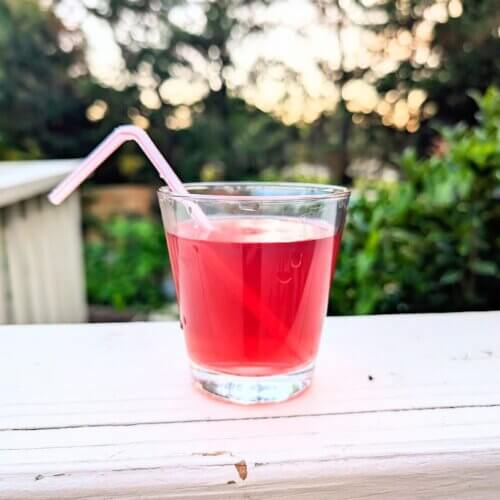
Shiso Tea (Perilla Leaf Tea)
Equipment
- 1 Pot
Ingredients
- 1 handful Red shiso / perilla leaves (fresh or dried)
- 3 slices Lemon
- 1 Liter Water 4 cups
- Honey to taste
Instructions
- Combine shiso leaves and cold water in a pot. Bring to a boil and simmer 3–4 minutes.
- Add lemon slices. When the tea turns rose-pink, remove from heat.
- Strain into a glass bottle or pitcher.
- Serve warm with honey (or iced if not postpartum).
Notes
FAQ
Where do I find red shiso leaves?
Look for it labeled as shiso in the produce section of Korean, Japanese, or Vietnamese grocery stores. It’s most widely available in summer. Year-round, dried perilla leaves (zǐ sū yè, 紫苏叶) are available at Chinese herb shops or on Amazon. It also grows freely in many US backyards and reseeds itself every year.
Is shiso the same as perilla?
Shiso is the Japanese variety of perilla (Perilla frutescens var. crispa), and the name most commonly used in American stores. Korean perilla (kkaennip) is a closely related variety of the same plant species. In Chinese herbal medicine, the plant is called zǐ sū (紫苏). All are related, and any red or purple variety works for this tea.
Is this shiso tea safe in the first days postpartum?
Yes — both shiso and lemon are gentle ingredients appropriate from early in the postpartum period.
Can I drink this shiso tea while breastfeeding?
All ingredients are food-grade and considered safe for breastfeeding mothers in traditional practice. Just be mindful of the honey — it’s for you only, not the baby.
Can I drink this cold?
For postpartum recovery, warm is strongly recommended — warmth is central to zuo yue zi tradition. That said, if you’re making this shiso tea outside of the postpartum period, it is wonderful served chilled over ice on a summer day.