

(continued from Part 1)
This is translated to English from the original Chinese version. Read the original Chinese version below.
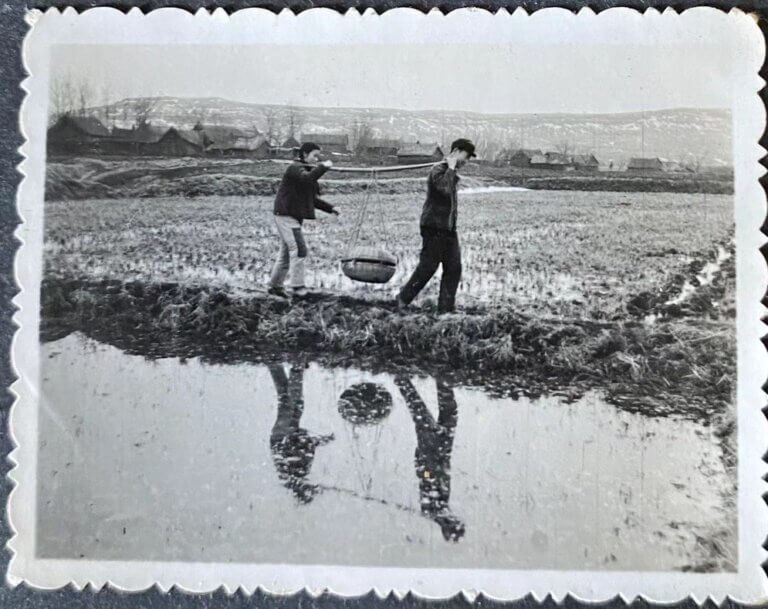
On December 9, 1969, answering the Party’s call, our family moved from the big city to Sunying. In that poor, remote corner of the mountains, what we felt most was the kindness and honesty of the farmers, and, for the first time in a long time, our own safety and sense of being accepted. Never in my life had I seen with my own eyes ridge after ridge of bare, barren mountains; never had I felt northern Jiangsu’s bone-piercing winter wind. And yet every one of us felt settled, steady at heart.
“Never See the Beast’s Face Again”
You see, for the two years before our move, our family of seven had been scattered across six different places. My father and mother were each at different May Seventh Cadre Schools, laboring day after day to “remold their thinking.” My father was expected to “come clean” to the Party and the organization, or else beware the iron fist of the proletarian dictatorship.
A note from Bernice: “May Seventh Cadre Schools” were rural labor camps established during the Cultural Revolution, where government officials, teachers, and intellectuals were sent to do farm work and undergo political “reeducation.” Families were often separated for years, like my grandparents were.
My older brothers were in the military, at university, and sent to the countryside for labor. My younger brother and I were at that hazy in-between age, too young to make sense of what was happening around us. With no parents or older siblings at home to guide us and no teachers at school to teach us, we had no sense of time and no idea what tomorrow was for; we simply drifted through the days. My parents never told me, “You’re in charge of the house now — take care of your brother,” because when they left, they themselves had no idea how long the cadre school would keep them, or when they might come home for a visit. Thank heavens, their salaries arrived on time every month. We had more than enough to live on; making a living was never our worry. We had a big, empty house; what we lacked was a home that had our parents in it. My parents, too, had gone far too long without a chance to see each other. Heaven knows how much they wished to confide in one another, how much they needed to keep each other’s spirits up. When would this absurd, endless mental torment finally end?
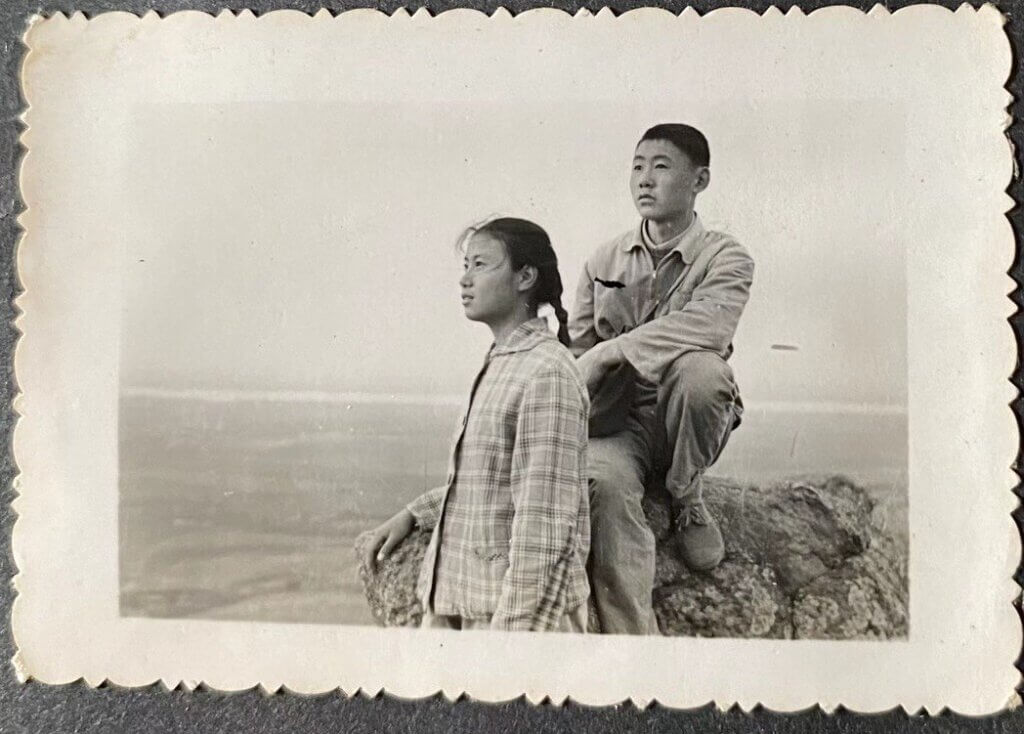
So when the Party and the state called for cadres to be “sent down” to labor in the countryside with their families, my parents answered with genuine eagerness — at last, the whole family could be together, even if it meant the poorest corner of northern Jiangsu. As our vehicle neared Sunying, my father, with his wry humor, spoke the first half of a two-part saying our whole family knew well: “Zhang Guolao rides his donkey backward—” and I finished it: “—and never sees the beast’s face again!” Then we all looked back at the road behind us, and smiled at one another. Yes — whatever else the future held, of one thing we were certain: we would never go back to that life.
A note from Bernice: Zhang Guolao is one of the Eight Immortals of Chinese legend, famous for riding his donkey facing backward. The saying works like a riddle: sit backward on a donkey, and you never see its face. The real meaning: “I never want to see the face of that beast again” — the “beast” being the life they left behind and the people who persecuted my grandfather.
Let me ask you. If the choice were yours, which would you take?
A: A home that is poor and the work hard — but the family is together, and your heart has a place to rest
B: A big house with food and clothing to spare — but the rooms are empty, and you live each day in fear
We had lived in B. We chose A, gladly.
The Zhangs Next Door
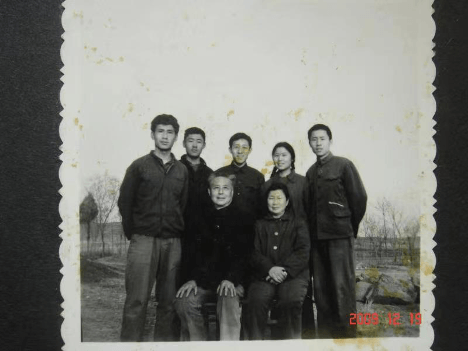
Our closest neighbors in our new home in the countryside were the Zhangs. Mr. Zhang had two sons close in age to my brother and me: Dazhouzi and Zhouchengzi, sixteen and fourteen. Dazhouzi was timid and quiet, head down in his work. Zhouchengzi was stubborn and kindhearted, never without a tune on his lips. Like their father, both boys were hardworking and honest.
Mr. Zhang often dropped by after the day’s work and would sit for a long while. He had a stutter and never started a conversation, but he made himself comfortable at our place, and sometimes he’d doze off right there in his seat. My father would draw him into chatting, learning about the village’s people and goings-on.
Mrs. Zhang ran everything inside the house and out. She was cheerful, full of self-respect, always ready to help — and she looked out for our family especially, newcomers that we were.
I still remember like yesterday when Zhouchengzi went up the mountain to graze the ox, and on his way home he passed our door carrying a handful of tender red berries cradled in his tattered felt hat. “Try some fupenzi,” he said — wild raspberries. He motioned for me to cup both hands, then turned that worn old hat over and shook it until the very last berry tumbled out. Looking at that grimy hat, I honestly didn’t relish accepting. But the open-handed generosity of giving everything he had, and the sincerity behind it, made it impossible to refuse.
Shrimp from Dragon Ditch
Behind our house ran a little creek called Longgou — Dragon Ditch. Zhouchengzi taught me to scoop shrimp along its banks. You took a rice-washing basket and plunged it down hard where the waterweeds grew, waited a moment, then lifted it carefully against the current — and not one of the wriggling, jumping little shrimp could get away. A few rounds of this, and you had the makings of a feast.
I would rinse them clean right there in the creek and carry them home. My mother seasoned flour generously — Sichuan pepper, chili powder — thinned it with water, tossed in the little shrimp to coat them in wet batter, and fried them in oil. The smell was incredible. Mama had me carry a bowl over to the Zhangs.
In those days, our family continued to receive coupons to purchase monthly rations of cooking oil and grain. The farmers could not purchase rations and did not have cash anyhow.
A note from Bernice: In this era, food in Chinese cities was distributed through a coupon system — you needed both money and government-issued coupons to buy staples like grain and cooking oil. City families like my mom’s received a guaranteed monthly allotment to buy the staples. Farmers were expected to live off what they grew.
When Heaven Did Not Answer
One day, Mrs. Zhang came to our house and, with great difficulty, asked my mother to lend her grain coupons. Choking back tears, she said, “Mrs. Wu, Zhouchengzi is sick. I need to take him to the county town to see a doctor. The barefoot doctor came and gave him medicine, but it isn’t working. These past two days he seems worse. He won’t take food or even tea now.”
No wonder we hadn’t seen him in days. No wonder that even a fragrant bowl of fried batter shrimp set before him couldn’t tempt his appetite. We had thought it was a cold. We never imagined it was anything so serious.
A note from Bernice: “Barefoot doctors” were villagers given basic medical training so they could provide first-line care in the countryside, where there were almost no physicians. They handled minor illnesses and referred serious cases to county hospitals — if the family could afford to go.
A few days later, Mrs. Zhang dragged herself home alone, utterly spent. The villagers walked out to the village entrance to meet her. All the way in, she cried out to heaven, and heaven did not answer; she bent and beat the earth, and the earth gave nothing back. Every cry tore the heart; every word brought tears. The villagers had no words. They could only weep alongside her.
For more than a year afterward, no one heard Mrs. Zhang’s hearty laugh. Mr. Zhang stopped coming by to sit.
Later, we learned it was acute hepatitis with jaundice that took that young life. I knew nothing of medicine, but I knew this much: it was a dangerous illness, but not an incurable one. Treated in time, it did not have to end so tragically. There had been no money for treatment, and Mrs. Zhang had believed her son could tough it out.
The Weight of a Needle
Watching the Zhang family in their grief, a piercing helplessness settled into me that I could not put down. Fate had brought us to this land. We had received the kindness and shelter of its people. And for the first time in my life, consciously and seriously, I asked myself: what can I do for them?
I wrote a letter to my closest friend, who was then a nurse in a military hospital. Ten days or so later, I received a book more than an inch thick: A Barefoot Doctor’s Manual. It had a red plastic cover, and inside were pictures of common Chinese medicinal herbs and their uses, charts of the body’s acupuncture points, the points to needle for common ailments, and more. A few days after that, a small bamboo tube arrived, and inside it — of all things — a “pen”: a hollow pen barrel holding more than ten acupuncture needles of different lengths.
That book and that pen of needles sat heavy in my hands. I truly felt the weight of them.
(to be continued)
Any questions for my mom? Leave a comment!
Chinese Version: 必须做点什么
(接上篇)
乡下的孩子们每天都开心,不觉得自己穷,事实上他们的生活的确贫穷困苦。看来开心并不在于你已经得到了多少,而是你想得到多少。
1969年12月9日,我们一家响应党的号召从阶级斗争的重地大城市迁居到孙郢,那里的穷山僻壤使我们感受到更多的是农民的善良,质朴,以及此时此地我们的安全感和被认同。长到这样大第一次亲眼见到一片一片的荒山秃岭,第一次亲身领教苏北刺骨的凛冽寒风,可是,我们每个人心里都踏踏实实的。在此之前我们一家七口人分住在六处,大约已经两年左右吧,父亲母亲分别在不同的五七干校日复一日地劳动锻炼,改造思想,我的父亲会遇到比较多一些的“人造麻烦”,他需要向党和组织“老实交代”,否则要小心无产阶级专政的铁拳。我和弟弟尚在懵懵懂懂的年纪,而家无父母管教,校缺老师教诲,不理解什么是时间,也不知道明天该干啥,每天混日子。父母并没有交代我,你管家,照顾好弟弟,因为他们临走时自己也不知道去五七干校会多久,或者多久能回家看看。谢天谢地,工资每月会按时到达,我们有足够有余的生活费用,不需要考虑生计,我们缺失的是有父母在的那个家,而不是空空荡荡的大房子。我的父母也有太长的时间没有机会见面了,天知道他们彼此间有多少事情需要彼此倾诉,相互激励。这种荒诞且无休止的精神折磨和压抑何时了?因此当党和国家发出干部下放劳动的号召,我的父母由衷地积极响应。我们的车将至孙郢时,父亲诙谐地说了一句全家人都懂得的歇后语的前半句:“张果老倒骑驴——”,我接下后半句“永不见畜生之面”,然后大家回望身后的来路,相视一笑。是的,今后那么多的不确定中,唯此最确定。
试问,如果能有选择,你会怎么选?
A:一个虽然清苦,但家人团聚、心有落处的贫穷之家
B:一间衣食丰足,却提心吊胆、空空荡荡的大房子
靠新居最近的邻家张大爷是个结巴子,他有两个与我和弟弟年龄相仿的儿子,大周子和周成子,16岁和14岁。大周子性格懦弱,闷头干活,周成子倔强善良,曲不离口。他们和他父亲一样都勤劳实在。大概是因为父亲说话结巴,家里家外都是张大妈操持,她性格开朗,很有自尊,乐于助人,尤其对我们这新来乍到的一家人很是关照。张大爷收工常来串门,一坐很长时间,他不主动说话,有时坐那打瞌睡也不抬屁股走人,父亲主动和他聊天,了解村里的人和事,他心知肚明,结结巴巴总能道出八九不离十。有次周成子上山放牛,回来时经我家门口,破毡帽里兜着一捧红红嫩嫩的草果,说,“尝尝覆盆子”。他示意我用双手接着,然后翻过那顶破旧的毡帽,直到抖出最后一颗。看到那顶脏兮兮的帽子确实受之不爽,可那种倾其所有的豪气和真诚,又让我却之不能。事隔几十年,还像就发生在昨天。
我家后边一条小溪叫龙沟,周成子还教我在龙沟边撮虾。用淘米箩在有水草的地方,猛地插下去,略等一会儿,逆着水流小心地端起淘米箩,活蹦乱跳的小虾虾们一个都跑不了,如此往复几次,一顿美食就有了。直接在龙沟里洗净了拿回家,我妈妈在面粉里放足佐料,花椒粉,辣椒粉,用水调稀了,把小虾虾扔里面裹上湿面,油锅里一炸,真的是香极了。妈妈让我端一碗给张家。那时代,我们每月有限量食用油和粮食供应。农民没有限量,没有保证,也没有现金。
不久,张大妈来我家难以启齿地跟妈妈借粮票,她哽咽着说,“吴大妈,周成子病了,我要带他去县城瞧病,赤脚医生来看过了,他们给了药,不管事。这两天好像加重了。现在他茶饭不进。”难怪有好几天没见到他,也难怪即便香喷喷的油炸面拖虾端到面前,他也没有胃口。我们以为是感冒,没想到那么严重。没有几天,张大妈拖着疲惫的身体一个人回来了,老乡们到村口迎她,她一路走来,放声呼天,天不应,俯身捶地,地不灵,声声断肠,句句催泪,老乡们无语,只有陪着她流泪。从此后的一年多,没有听到张大妈爽朗的笑声,张大爷也不来串门了。
后来得知是急性黄疸型肝炎夺去了这条年轻的生命。我不懂医学,可是知道这是个凶险的疾病,但不是不治之症,及时治疗不至于如此悲惨结果。没有钱医治,张大妈以为扛扛能过去的。
看着深受失子之痛的张大妈一家,锥心的无力感让我无法释怀——既然命运把我们带到了这片土地,享受了乡亲们的善良与庇护,我第一次自觉地,认真地想,我能为他们做点什么?
我给我的闺蜜发了一封信,她当时是军队医院里的护士。十多天后,我收到一本一寸多后的赤脚医生手册。红色塑料封面,里面有常用中草药的图片和功效,还有针灸常用穴位及人体穴位图,常见病针灸取穴,等等,又过了几天,我收到了一只小竹筒,里面竟是一只“笔”,空心的笔筒里有10多枝长短不一的针灸针。这本书和针笔在我手中沉甸甸的,我着实感觉到了它们的分量!


One Comment